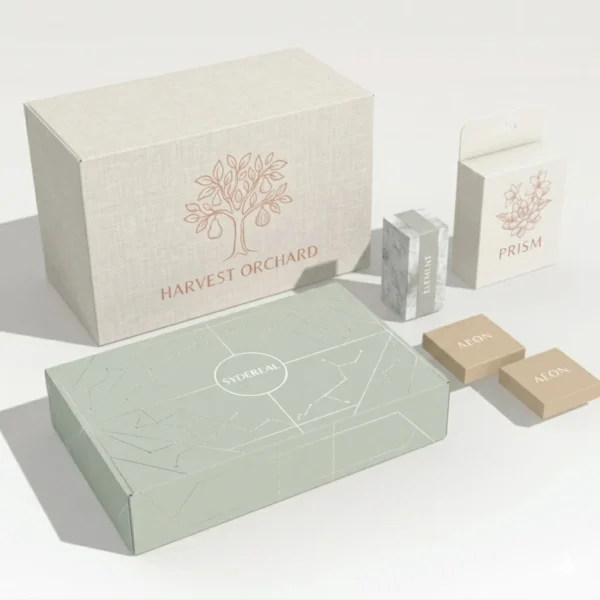
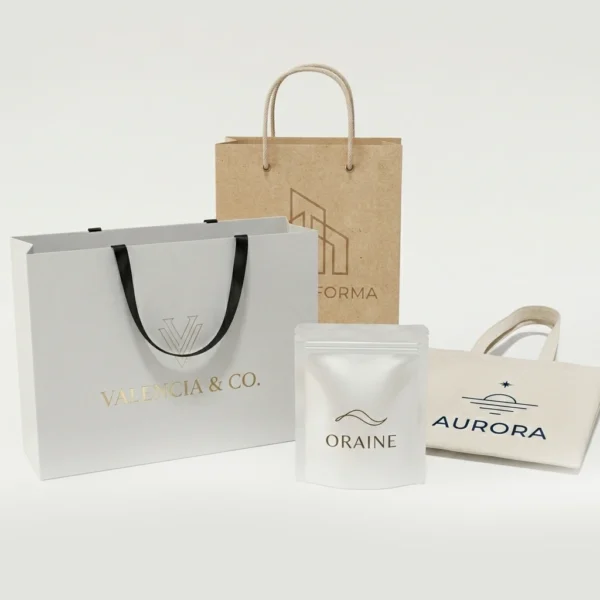
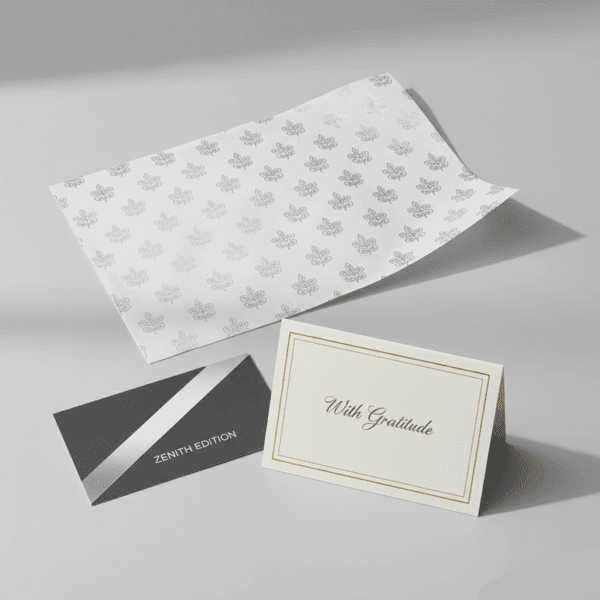
In the world of e-commerce, the handshake doesn’t happen at a cash register—it happens on a porch, or on the kitchen counter. The product is why they bought, but the unboxing is why they stay. In 2026, the first five seconds of delivery are scientifically proven to be more influential than the product itself. This isn’t just marketing fluff; it’s neuroscience. Those first five seconds dictate whether a customer feels buyer’s remorse or brand euphoria.
Here is the deep dive into why Unboxing 101 is the most important course your brand will ever take.
When a customer sees a box on their doorstep, their brain initiates what neuroscientists call Anticipatory Dopamine. Research from 2025 and 2026 confirms that dopamine peaks before the box is even opened.
The Halo Effect and Cognitive Shortcuts
As noted in recent studies by Dr. Martin Lindstrom, packaging design activates the same neural pathways as personal recognition. If your box looks premium, the brain applies a Halo Effect to the contents.
The Math: 67% of consumers judge a product’s quality by its packaging before even seeing the item.
The Result: If the box is flimsy or generic, the brain subconsciously downgrades the perceived value of the product inside, regardless of how good it actually is.
The Staged Revelation Strategy
Top brands like Apple and Sony have mastered the staged revelation strategy of unboxing —the act of slowing down the unboxing.
Second 1: Visual recognition (The color and logo on the porch).
Second 2: Tactile quality (The haptic feel of the cardboard or soft-touch coating).
Second 3-5: The Opening (The sound of the tape, the resistance of the lid).
By the time they see the product in the fifth second, their emotional state is already locked in.
Part 2: What the Internet is Saying (Reddit, TikTok, & Instagram)
If you want to know how much packaging matters, look at where customers vent: social media. In 2026, packaging fails are as viral as unboxing wins.
The Reddit Perspective: r/IndianSkincareAddicts & r/Dropshipping
On Reddit, the discourse has shifted toward Intentionality. A user named u/whysoconfused_27 recently complained that brands are still obsessed with packaging over products in 2026, specifically citing frustration over a moisturizer hidden behind thick glass, cartons, plastic, and ribbons.
The Takeaway: Users on Reddit represent the rational consumer. They want beauty, but they hate waste. If your first 5 seconds involves 10 layers of non-recyclable plastic, you aren’t creating a luxury experience; you’re creating a chore.
Conversely, in the r/dropshipping community, a user named u/varunpitale noted that loyalty doubles instantly because quality packaging shows you care about the overall experience way before the customer even gets to the product.
The TikTok Ecosystem: #Unboxing (2026 Trends)
On TikTok, the First 5 Seconds is the entire hook.
The POV Angle: Creators often film from a first-person perspective. The box is the co-star. If the box isn’t camera-ready, the video usually stops there.
The Satisfying Sound: 2026 has seen a massive rise in ASMR Unboxing. The thud of a heavy box or the peel of a custom-designed tear strip is social media gold.
TikTok Shop’s Shift: As TikTok Shop moves toward repeatable commerce in 2026, brands are using variable data printing pioneered by companies like Fantastapack to include TikTok-specific handles or QR codes on the box itself.
Part 3: The 2026 Unboxing Trends You Need to Know
The standard mailer is dead. Here is what is replacing it in the 2026 landscape.
1. Hyper-Sustainability (No More Greenwashing)
In 2026, sustainability is no longer a feature—it’s the baseline.
Mushroom Foam & Seaweed Films: These aren’t just for eco-brands anymore. They are the new status symbol.
Right-Sized Packaging: Nothing kills the first 5 seconds faster than a tiny product in a massive box filled with plastic air pillows.
2. The Apothecary & Retro-Futurist Aesthetic
According to 2026 trend reports from Packhelp, consumers are leaning into two extremes:
Apothecary: High-symmetry, serif fonts, and earthy tones that suggest heritage and trust.
Retro-Futurism: Vibrant gradients and candy neons that look like they belong in a digital environment, catering to the Gen Z Digital Energy vibe.
3. The Inside-Out Branding
One of the smartest moves in 2026 is keeping the outside of the box discrete to prevent theft—a major Reddit complaint—but making the inside a masterpiece.
The Reveal: Opening a plain brown box to find a Transformative Teal interior with a personalized message. It’s an emotional pop that occurs exactly at the 4-second mark.
Part 4: How to Audit Your First 5 Seconds
To ensure your Crateform packaging is working as hard as it can, run this audit.
The Sight Test (Seconds 1-2)
Is the logo visible? Does it represent your 2026 brand identity?
Color Psychology: Does the box color trigger the right emotion? (e.g., Blue Aura for trust, Aperol Orange for energy).
The Touch Test (Seconds 2-3)
Texture: Is it a standard rough corrugated, or is it a soft-touch matte?
Weight: Does the box feel sturdy? In 2026, sturdiness is synonymous with product integrity.
The Sound/Ease Test (Seconds 3-5)
Frustration-Free: If the customer needs a kitchen knife and three minutes to get inside, you’ve lost the dopamine hit.
The Sound: Does it sound premium? (Tear strips vs. screeching plastic tape).
Part 5: The Frictionless Opening — Engineering the Fifth Second
While the first three seconds are about visual and tactile lust, the fourth and fifth seconds are about the mechanical transition from box to product. In the custom packaging industry, this is known as structural storytelling.
If a customer has to struggle with heavy-duty packing tape or jagged staples, the dopamine loop is broken. Brands like Crateform and Packhelp have spent years perfecting the tear strip for this exact reason. A tear strip provides a rhythmic, haptic sound—a literal zipping noise—that signals the climax of the unboxing experience.
The Rise of Frustration-Free Luxury
On Reddit, specifically within communities like r/BuyItForLife and r/ConsumerReport, there is a growing disdain for over-packaged goods. Users frequently post photos of wrap rage where the product is encased in heat-sealed plastic clamshells inside a custom box.
In 2026, luxury is defined by ease. A premium box should fall open with minimal effort. This is achieved through:
Gravity-Fed Lids: Boxes designed with a specific tolerance so the lid slides off slowly, creating a theatrical reveal.
Magnetic Closures: Common in high-end electronics and jewelry, the click of a magnet is a sonic cue of quality.
Tab-Lock Mailers: These allow for a tool-free opening experience, ensuring the customer doesn’t have to go searching for scissors.
Part 6: The Reddit Tear-Down — What Enthusiasts Really Think
To understand why those five seconds matter, we have to look at the critics. Reddit is the ultimate focus group for Crateform. In 2026, several subreddits have become watchdogs for packaging ethics and design.
r/EgregiousPackaging and the War on Waste
This community thrives on shaming brands that use too much material. A common 2026 sentiment on this board is that the first 5 seconds of a delivery shouldn’t result in 5 minutes of breaking down trash. If your custom box is beautiful but filled with non-recyclable peanuts or excessive plastic film, the initial joy turns into waste-guilt.
r/SpecializedTools and the Appreciation of Craft
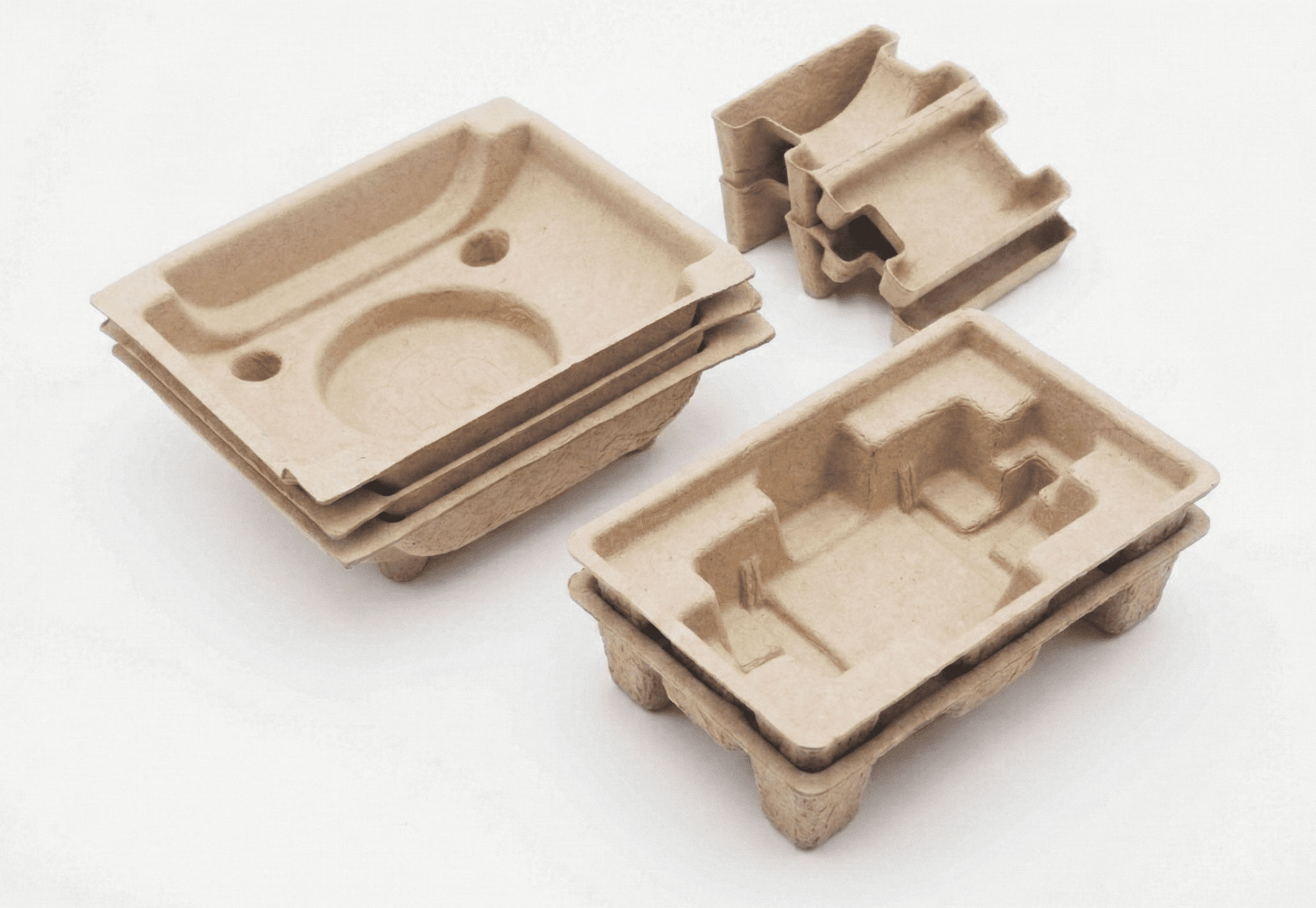
Conversely, you have communities that celebrate the engineering of a box. When a brand uses a mono-material corrugated insert instead of a plastic tray, it gets upvoted for its elegance of design. Users will often comment that they kept the box because it was better engineered than the product itself. This is the ultimate win for a packaging provider.
Part 7: The TikTok Shop Effect — Viral Packaging Mechanics
TikTok has fundamentally changed how we design boxes. In 2026, every box is a film set. Fantastapack and Packhelp have noted a 40% increase in requests for high-contrast interiors because of how they appear on smartphone cameras.
Lighting and Reflection
Matte finishes are dominating TikTok in 2026. Because gloss finishes create hot spots under ring lights, it is harder for creators to show off the branding. A matte soft-touch aqueous coating absorbs the light, making the colors look deep and saturated on 4K mobile screens.
The Hidden Message
Smart brands are now printing messages on the bottom inside of the box. As the creator removes the product, the camera reveals a final Thank You or a Tag us for a feature call to action. This secondary reveal extends the first 5 seconds into a final 5 seconds, doubling the engagement window.
Part 7: Sustainability as a Sensory Experience
In the past, eco-friendly meant brown and boring. In 2026, the industry has shifted. Crateform users are now looking for high-performance sustainable materials that feel expensive.
The Feel of Recycled Fiber
There is a specific toothy texture to high-quality recycled cardboard that consumers have come to associate with conscious luxury. It feels organic and real. On Instagram, the hashtag #SustainableStyle is filled with brands using raw, textured stocks with metallic foil stamping. This contrast between the rough earthiness of the box and the shiny sophistication of the foil creates a sensory paradox that shoppers love.
Edible and Dissolvable Packaging
The latest 2026 trend involves Zero-Waste reveals. Some brands are using starch-based packing peanuts that dissolve in water. This has become a staple mini-content piece for influencers. Watching the packaging disappear in a sink is a satisfying visual that reinforces the brand’s commitment to the planet.
Part 8: Technical Checklist for Crateform Customers
To ensure you are maximizing those first five seconds, follow this technical checklist before finalizing your order:
Dieline Integrity: Ensure your art doesn’t wrap awkwardly around the corners. A mismatched seam looks cheap and breaks the illusion of quality.
Color Consistency: Use Pantone matching. If your box is one shade of red and your retail bag is another, the customer’s brain perceives a lack of order and trust.
The Shake Test: If the product rattles inside the box, the first five seconds feel hollow. Use custom inserts to ensure a snug, silent fit.
Scent Marketing: Some 2026 brands are lightly scenting their tissue paper. When the box opens, the sense of smell is triggered alongside sight and touch, creating a 360-degree memory.
QR Integration: Don’t just print a random code. Frame it. A prompt like Scan for the story of this box makes the packaging an interactive portal rather than just a container.
The Box as a Brand Ambassador
We often hear that content is king, but in the physical world, context is king. Your packaging provides the context for your product. When a customer spends their hard-earned money, they aren’t just buying an object; they are buying a feeling. If you spend all your budget on the product and none on the first 5 seconds, you are leaving your brand’s reputation to chance.
By referencing the standards set by Apple, Bose and Sony and listening to the raw feedback on Reddit and TikTok, you can create a delivery experience that doesn’t just deliver a product—it delivers a memory. The first five seconds are your only chance to make a first impression. Make sure yours is worth sharing.
The Final 5-Second Checklist
If you want to turn a delivery into an experience, your packaging must:
Protect: A damaged box is a 0-second failure.
Surprise: Use the inside of the box for a hidden design.
Personalize: Even a Packed with care by [Name] sticker matters.
Simplify: Make the unboxing intuitive and waste-free.
The product is what they bought, but the box is the story they tell their friends. Don’t let your story end before it even starts.
Tom Fields
I’ve always believed that the best marketing doesn’t feel like marketing at all—it feels like a good story. I’m Tom Fields, an author, marketing strategist, and creative problem-solver at Crateform, dedicated to helping brands and readers connect on a deeper level, especially at the topic of custom packaging, design and branding.